EVMSI

Something went wrong.

EVMSI Agritech

Farming technology begins with the conditions growers face

Field observations help growers understand soil, water and changing crop conditions.

A useful farming tool needs to suit the crop and the people using it. Explore agricultural technology through the practical questions that connect an idea with work in the field.

Healthier ecosystemsTrusted food systemsThriving communities
Scroll to discover

Understanding farming technology

Agricultural technology needs to suit the crop, the farm and the people using it

Farming technology includes tools for understanding field conditions as well as systems that change how crops are grown or stored. Their usefulness depends on the production setting rather than the sophistication of the equipment alone.

EVMSI introduces developments in agriculture and food systems with attention to practical adoption. The aim is to make the possibilities easier to understand while keeping the needs of growers and the people relying on their produce in view.

Explore our approach
EVMSI · Understanding farming technology

Soil, water and biodiversity

Soil condition, water availability and biodiversity influence what a farm can grow and which tools are appropriate.

Information across harvest handovers

Harvest records are useful when the people receiving produce can understand its origin, condition and handling.

Practical usefulness for growers

An approach needs to be useful to growers and the people relying on their produce before wider benefits can be assessed.

EVMSI AgriTech / Technology and research

Explore farming technology

Farming technology includes tools for understanding field conditions as well as systems that change how crops are grown or stored. Their usefulness depends on the production setting rather than the sophistication of the equipment alone.

EVMSI introduces developments in agriculture and food systems with attention to practical adoption. The aim is to make the possibilities easier to understand while keeping the needs of growers and the people relying on their produce in view.

Explore the focus areas
A visual exploration of technology
Research direction

Different tools address different parts of food production

Connected sensors and precision farming tools can help growers understand conditions that vary across a field. Controlled growing environments take a different approach by changing some of the conditions around the crop itself.

Further context

Biotechnology in seeds introduces questions distinct from those involved in irrigation equipment or software. Cold storage and transport links address what happens after production, while dependable energy remains relevant throughout the process. Each development is easier to assess when the problem it addresses is clearly explained.


Research direction

Adoption depends on more than technical performance

A software tool might be simple to distribute while still requiring training and continuing support. Physical equipment introduces other considerations, including installation and repair when a component is unavailable locally.

Further context

These differences also explain why a technology business and a storage facility have different economic requirements. A patent or a successful trial does not show whether growers can afford the solution or whether the support needed for regular use will be available.

Research direction

Better production needs to connect with access to food

Producing more food is one part of the wider question of whether people can obtain it. Storage conditions and access to markets can matter alongside what happens during cultivation.

Further context

FAO identifies cost and connectivity among the barriers to adopting digital automation in agriculture, with particular importance for smaller farms. Understanding these conditions helps explain why a useful technology in one setting may need a different approach before it can help growers elsewhere.

Research direction

Aquaponics shows why the whole system matters

Aquaponics brings fish production and plant cultivation into a connected growing system that requires careful attention to operating conditions. Understanding the approach means looking at water quality and biological processes alongside energy use and ongoing maintenance.

Further context

Potential output, employment and operating cost need to be considered within that full setting rather than inferred from the system design. The purpose of the example is to understand how the system works before drawing conclusions about its wider potential.

Research direction

Growers and technology providers need a shared understanding

Growers need to know whether a tool will make a practical difference during a demanding season. Technology providers need to understand the conditions in which their product must keep working, including when support is difficult to reach.

Further context

People considering the economics of an agricultural innovation also need to understand who receives the benefit and who bears the cost. Bringing these perspectives together makes discussion more useful than assuming new technology creates the same value for everyone.

Technology topics

How field observations, farm controls and harvest records support agricultural decisions

Explore field decisions, farm controls, AI verification and the information that follows a harvest.

01

Connected sensors and precision farming tools can help growers understand conditions that vary across a field. Controlled growing environments take a different approach by changing some of the conditions around the crop itself.

What we look for

Connected sensors help record conditions. Their usefulness depends on whether the information supports the work growers need to do.

The beauty of interdependence

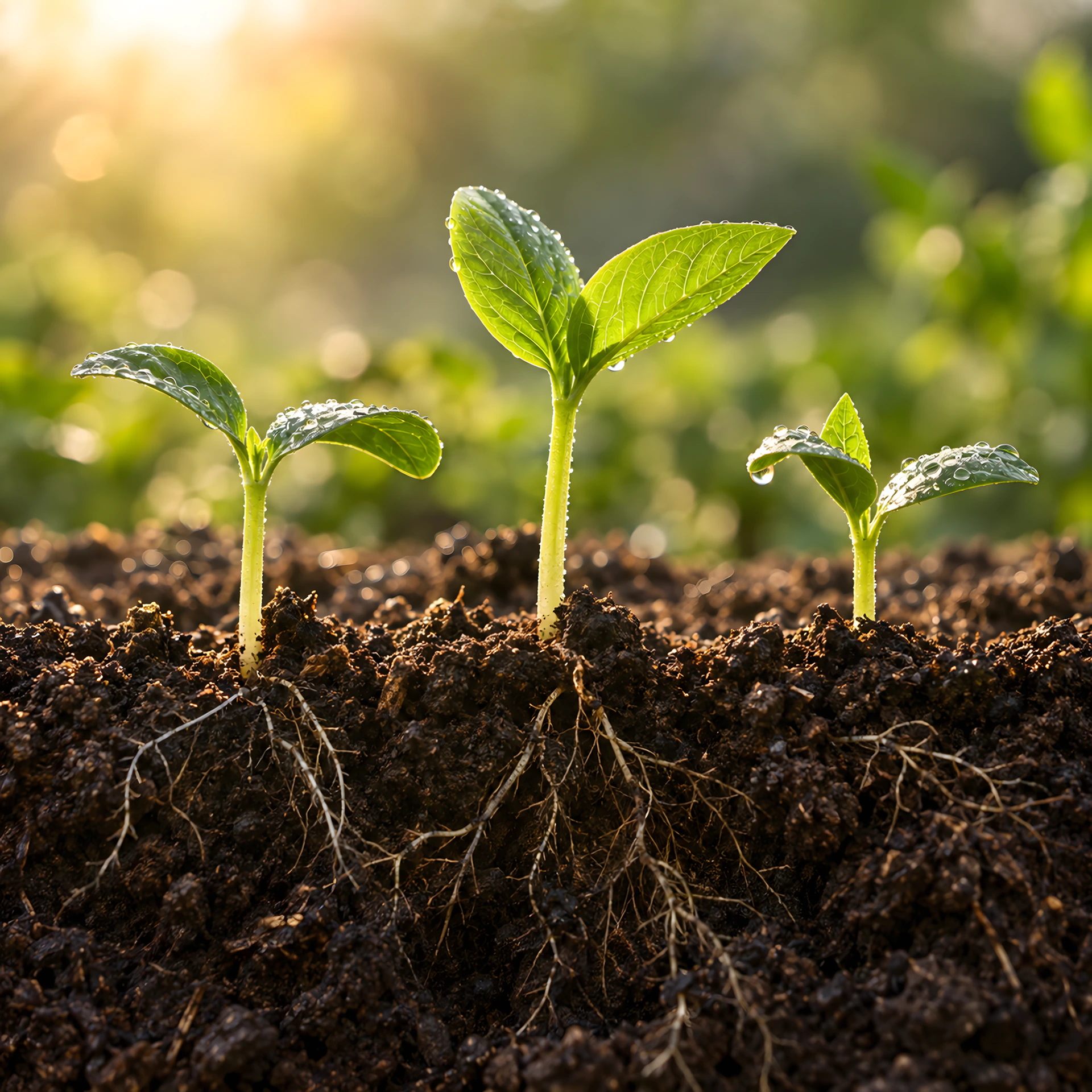
Soil, water and biodiversity shape the conditions in which crops grow

Agricultural systems depend on the soil, water and living organisms around them.

Pollinators, roots and soil organisms play different roles in a growing environment. A useful agricultural tool needs to account for those relationships alongside the crop and the resources available to the grower.

The next chapter of growing

How aquaponics connects fish production with plant cultivation

Aquaponics brings fish production and plant cultivation into a connected growing system that requires careful attention to operating conditions. Understanding the approach means looking at water quality and biological processes alongside energy use and ongoing maintenance.

Explore the possibilities
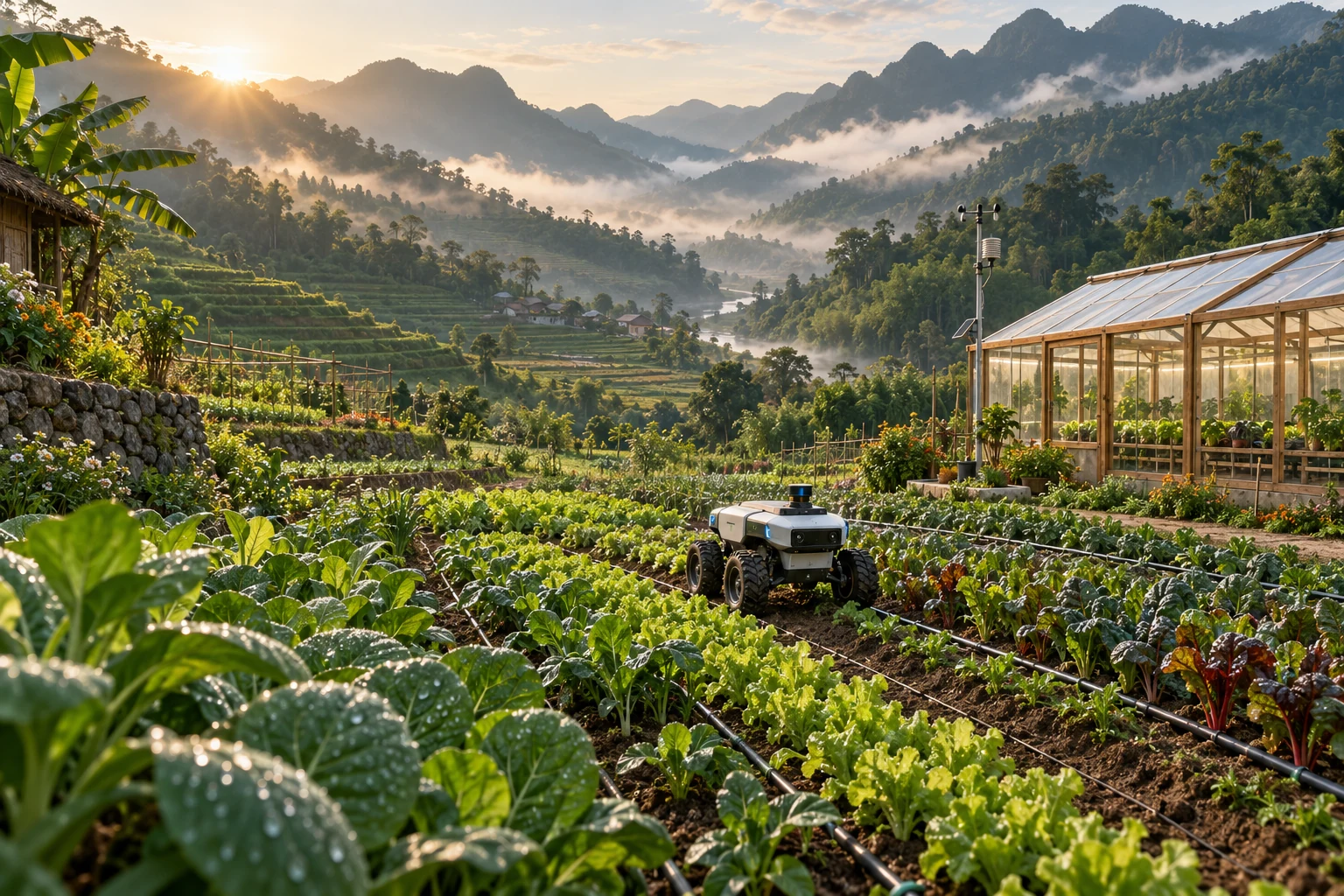
Concept landscape

A concept setting for questions about crops, water and practical operation.

Agricultural Information

Why connectivity, maintenance and operating skills matter when farms adopt technology

Field observations help growers understand soil, water and changing crop conditions.
A connected food system

FAO identifies cost and connectivity among the barriers to adopting digital automation in agriculture, with particular importance for smaller farms. Understanding these conditions helps explain why a useful technology in one setting may need a different approach before it can help growers elsewhere.

Cost and connectivity affect access to digital tools, particularly for smaller farms.

Follow the harvest

From field to market

How information follows a harvest from the field to its destination

A harvest passes through people and processes that affect its condition and destination. Records about growing conditions, handling and delivery can help each participant understand what happened earlier and what needs attention next.

A connected food system
01 / 04Field
Follow the harvest

Combining field observations with survey information

Combine field observations with survey images, keeping the producer responsible for crop decisions.

Long term thinking

Evaluating agricultural technology through local conditions and practical trials

05Research directions

Five areas for research and trials

04Field checks

Observe, compare, confirm and act

01Shared ambition

More value preserved, from field to market

The questions that guide us

The practical questions a grower needs answered before adopting a new tool

01

Does it work for the grower?

Check whether equipment can be maintained locally, whether the interface works with weak connectivity and whether manual control remains available.

02

Can origin and quality records follow the actual harvest?

Origin and quality records should follow the actual harvest and handovers, with a responsible person checking each update.

03

Can the farm maintain the tool through a full growing season?

Test a small trial against the crop, climate, water needs, investment and operating skills before expanding.

Cultivating a brighter tomorrow

Look beyond the tool to the system supporting it

Explore the energy sector to understand how dependable power and storage connect with the wider conditions needed for agricultural technology to work.

Concept imagery illustrates possibilities, not existing EVMSI facilities or reported investment outcomes.

Back to the top