EVMSI

Something went wrong.

Skip to technology topics
Energy technologyEVMSI / 03

01 / EVMSI Energy

Exploring the technologies behind a more dependable energy system

Energy technology reaches beyond the equipment that generates electricity to the systems that deliver and use it. Storage, networks and the way power is used all influence whether a new approach can serve people reliably.

Explore the future
EVMSI EnergyScroll to ignite01 / 03

A dependable energy system connects generation, storage and the demand it serves

A solar panel, a battery and an electricity network solve different parts of the same problem. Power must be generated and delivered at the time it is needed, within the limits of the equipment available.

EVMSI introduces the research and engineering questions behind changing energy systems, including renewable generation and improvements to existing infrastructure. The aim is to make the relationship between technical potential and practical operation easier to understand.

EVMSI Energy / Technology and research

Explore energy systems

A solar panel, a battery and an electricity network solve different parts of the same problem. Power must be generated and delivered at the time it is needed, within the limits of the equipment available.

EVMSI introduces the research and engineering questions behind changing energy systems, including renewable generation and improvements to existing infrastructure. The aim is to make the relationship between technical potential and practical operation easier to understand.

Explore the focus areas
A visual exploration of technology
Research direction

Generation is only one part of an energy system

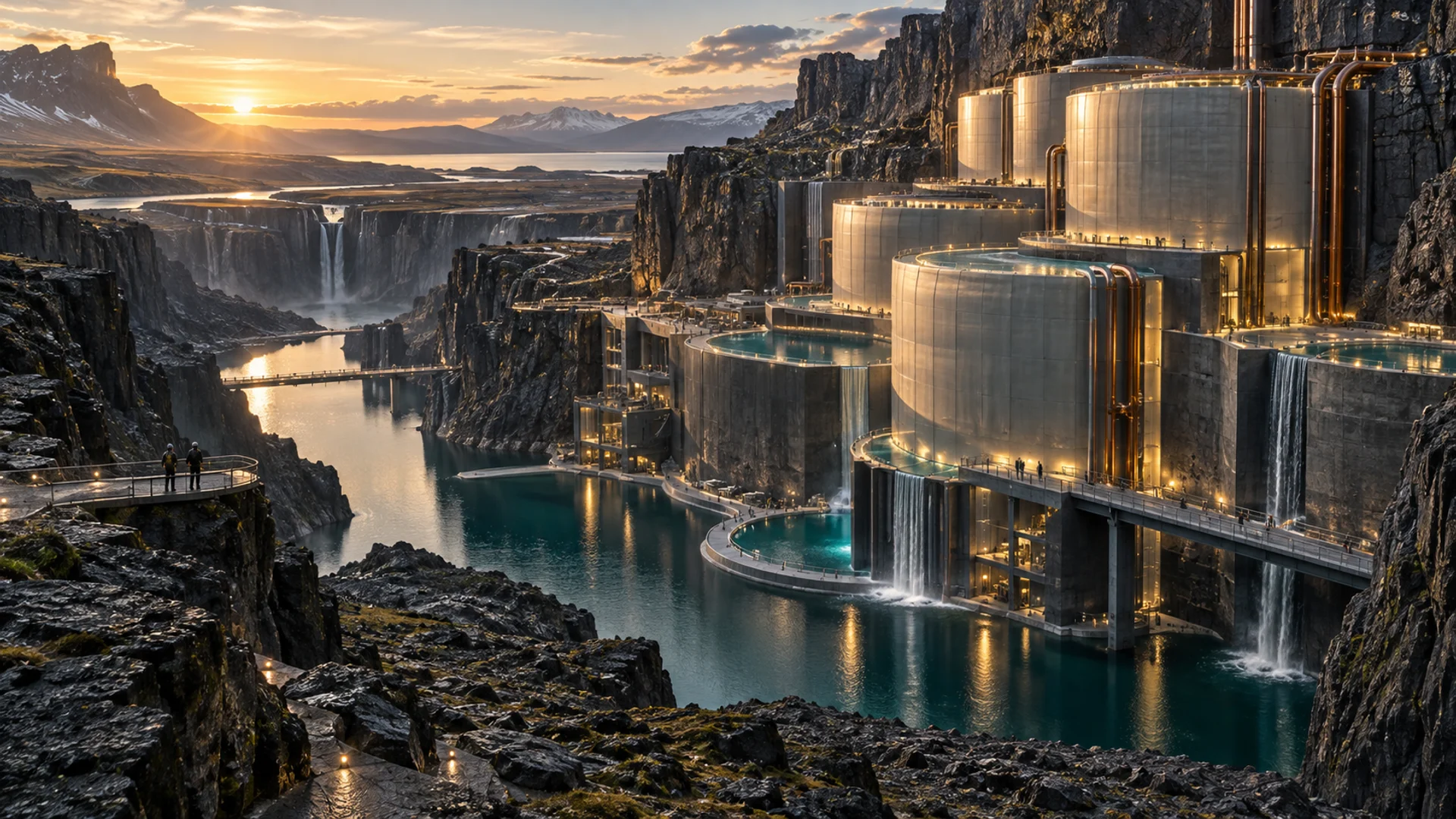
Solar, wind and hydropower use different natural resources, with different patterns of output and different requirements at each location. Storage and network controls help address the separate challenge of matching available electricity with demand.

Further context

A battery also has limits on how much power it can deliver and how long it can deliver it. Understanding those limits explains why storage capacity, operating life and the surrounding network matter as much as the appeal of a new design.

Research direction

Existing energy systems are part of the transition

Oil and gas infrastructure remains part of the wider energy discussion because established equipment and supply systems cannot be understood in isolation. Changes to their operation need to be considered alongside demand and the alternatives available to users.

Further context

Efficiency improvements and technologies intended to reduce emissions should be judged by the specific change they achieve. Improving one process does not settle the environmental impact of an entire system, so clear comparisons are more useful than broad descriptions of cleaner energy.

Research direction

What to look for behind an energy technology announcement

A new storage design or a smarter meter can attract attention for very different reasons. The useful questions concern what changed, how the result was measured and whether the improvement can be reproduced outside a demonstration.

Further context

The IEA examines energy technologies through deployment and manufacturing as well as supply chains and policy. That wider view helps explain why a technical advance can matter even when its cost, availability or supporting infrastructure still limits adoption.

Research direction

Different applications reveal different engineering questions

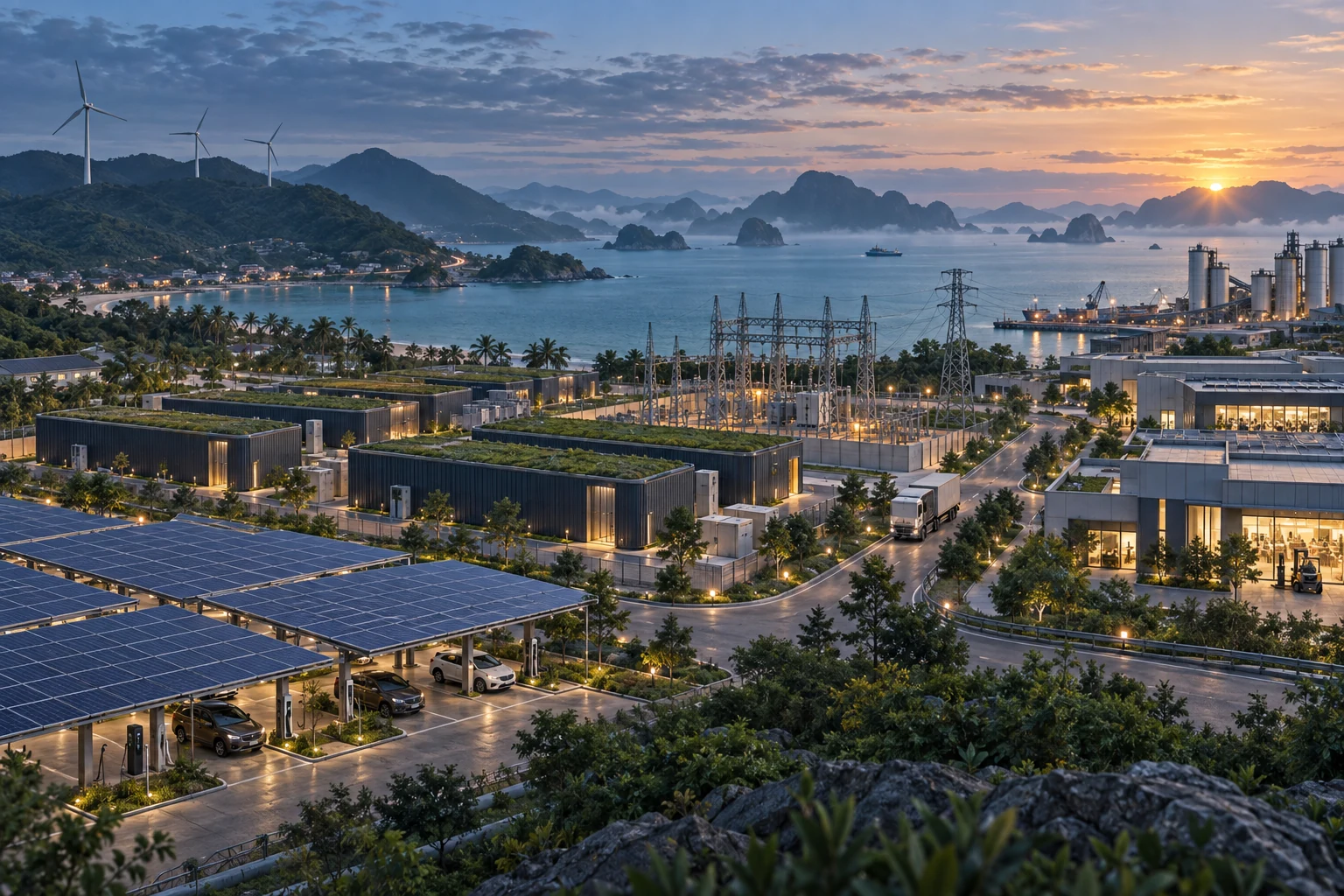
A solar farm illustrates the relationship between a local resource and electricity delivery, while a microgrid brings local generation and demand into closer coordination. Storage within either system needs to suit the duration and pattern of the demand it serves.

Further context

Clean transport introduces another set of questions about charging access and how vehicles are used. These examples explain different ways technology interacts with everyday demand, including the limits that shape its use.

Research direction

Generation, delivery and demand

A solar panel, a battery and an electricity network solve different parts of the same problem. Power must be generated and delivered at the time it is needed, within the limits of the equipment available.

Further context

EVMSI introduces the research and engineering questions behind changing energy systems, including renewable generation and improvements to existing infrastructure. The aim is to make the relationship between technical potential and practical operation easier to understand.

Resources · Output · Demand
The energy continuumEVMSI / E/N

01 / Generate

Generate within a connected system.

Solar, wind and hydropower use different natural resources, with different patterns of output and different requirements at each location. Storage and network controls help address the separate challenge of matching available electricity with demand.

Resources · Output · Demand

Understanding the technologies and operating limits behind changes in energy systems

These topics explain generation, storage, networks and everyday energy use through the limits that shape each technology.

Renewable generation
01Technology in context

Resources · Output · Demand

Renewable generation

8K

A future imagined

Generation is part of a wider system.

Solar, wind and hydropower use different natural resources, with different patterns of output and different requirements at each location. Storage and network controls help address the separate challenge of matching available electricity with demand.

What we look for

How does the source connect with the demand it serves?

Discuss this frontier

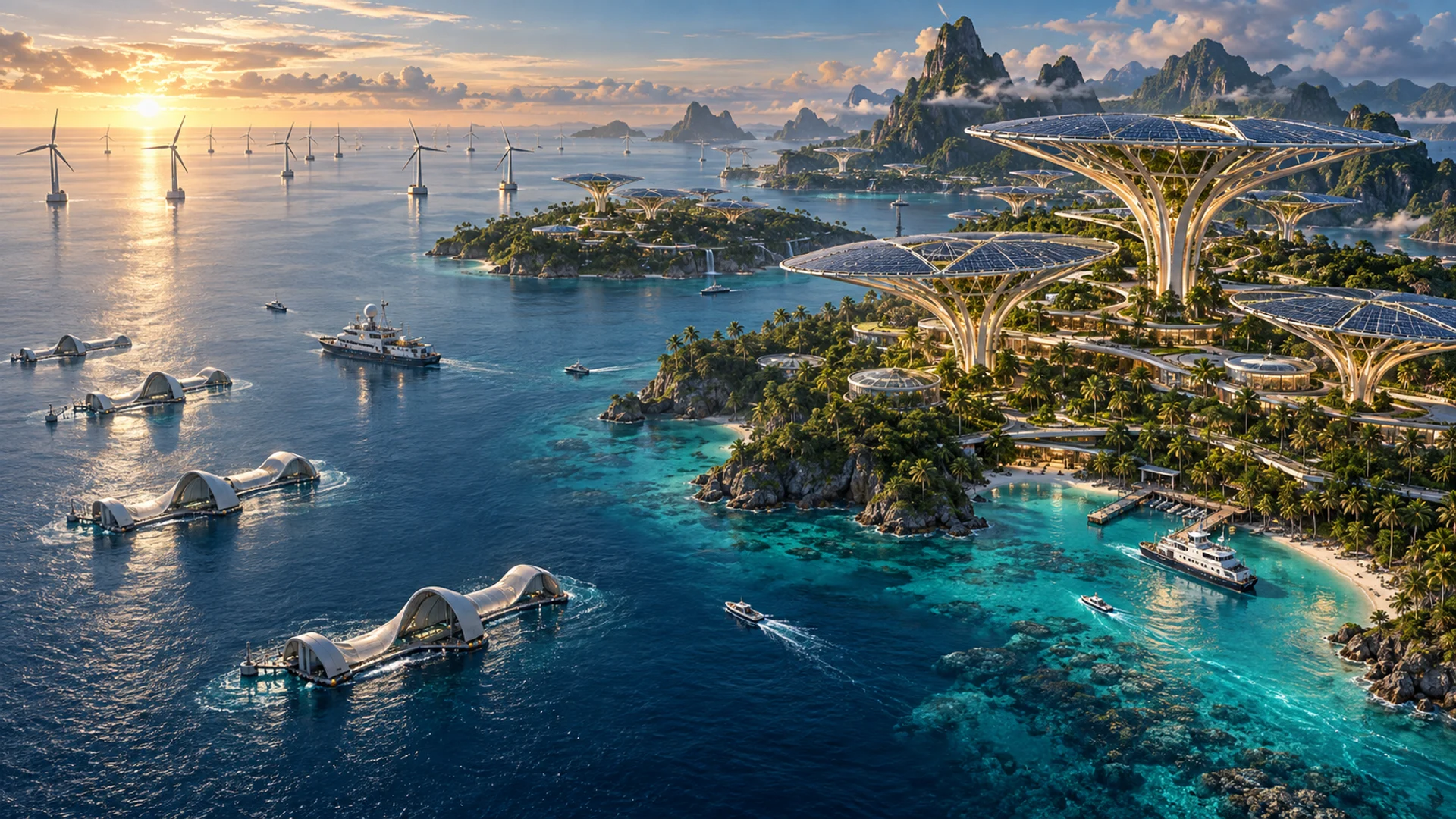
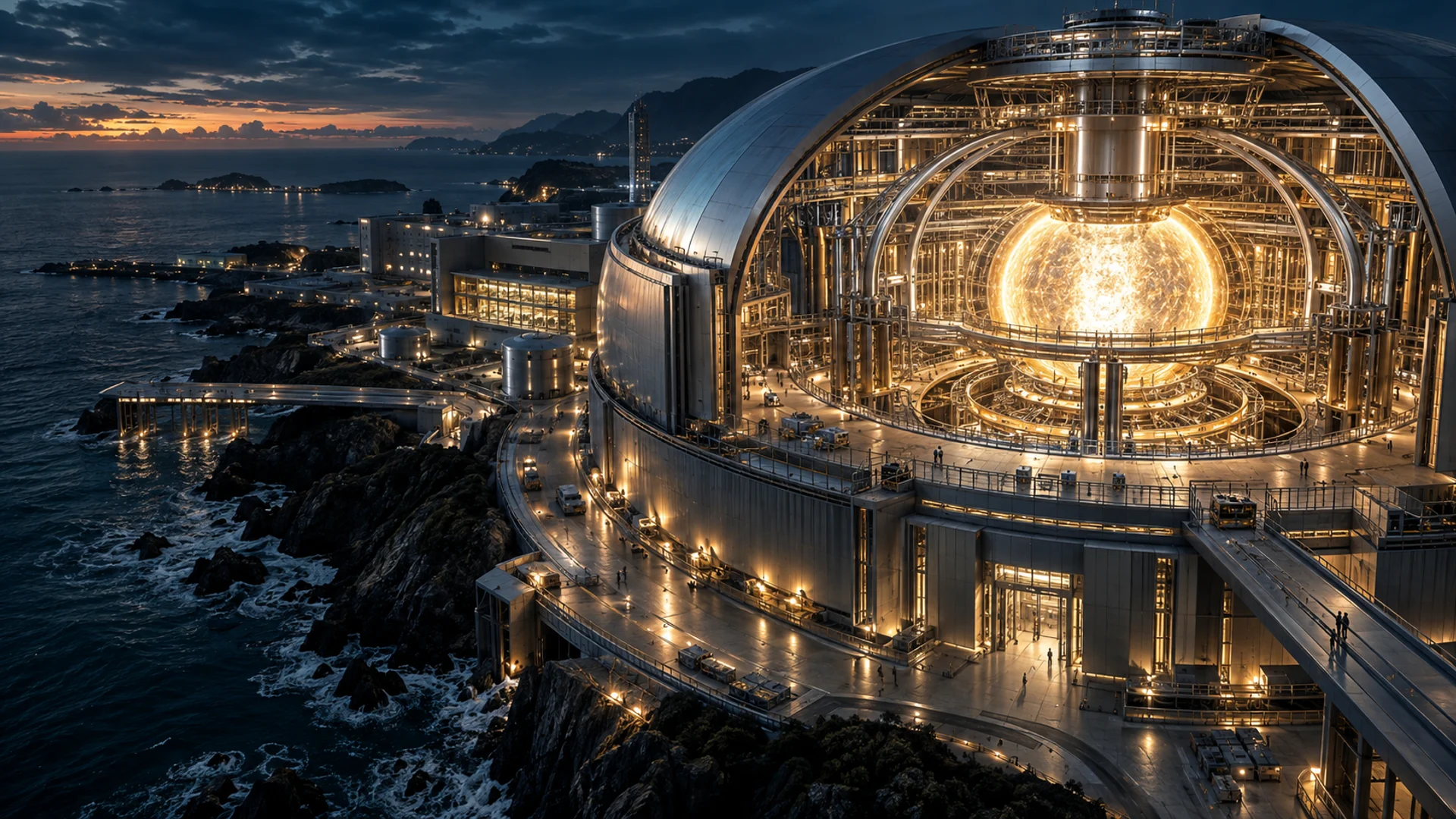
An imaginative view of future energy infrastructure. These concepts illustrate our interests, not announced projects or portfolio holdings.

How evidence, manufacturing and infrastructure influence the adoption of energy technology

The IEA examines energy technologies through deployment and manufacturing as well as supply chains and policy. That wider view helps explain why a technical advance can matter even when its cost, availability or supporting infrastructure still limits adoption.

01

Follow the physics.

Start with credible science, technical evidence and a clear understanding of what still needs to be proven.

02

Build the whole system.

Connect generation with storage, interconnection and real demand. An isolated breakthrough is only the beginning.

03

Understand everyday operation.

Consider resource use, reliability, practical economics and the people who will live with the infrastructure.

Understanding how energy is generated, delivered and used.

Build what comes next

See how energy connects with the systems around it

Continue with infrastructure to explore the networks and operating systems that help turn technical capability into services people can use.

Research & visual notes +

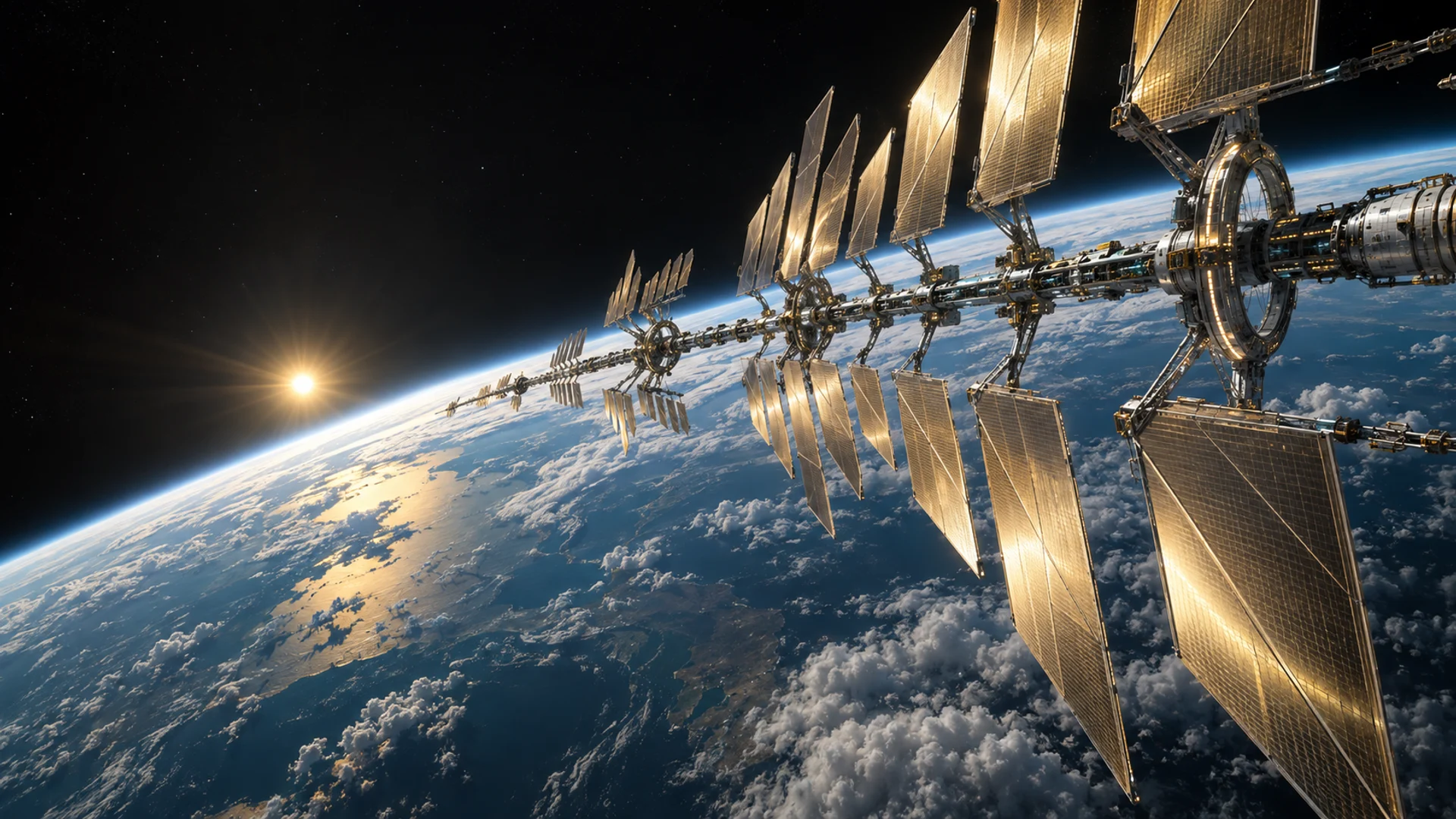
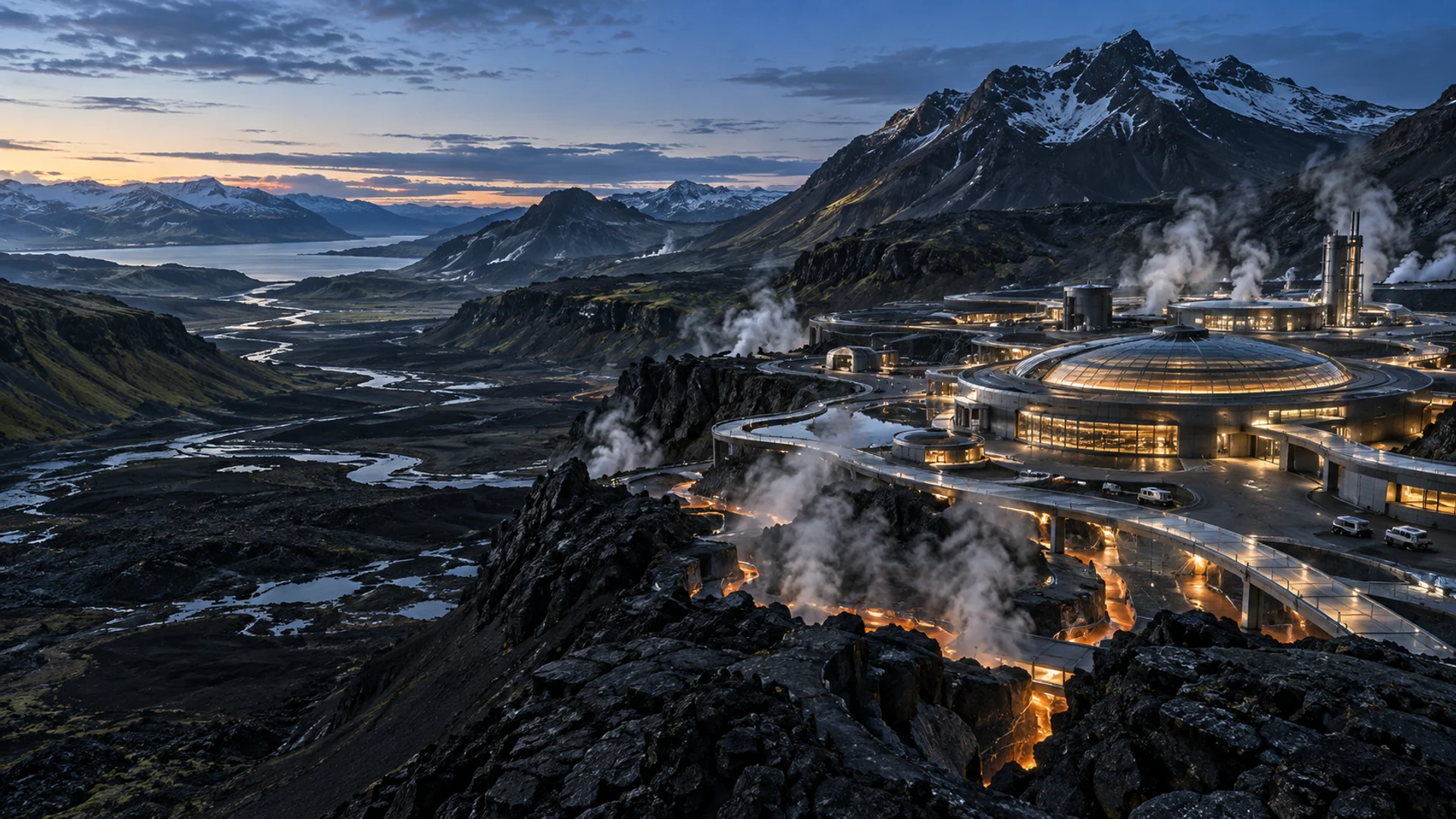
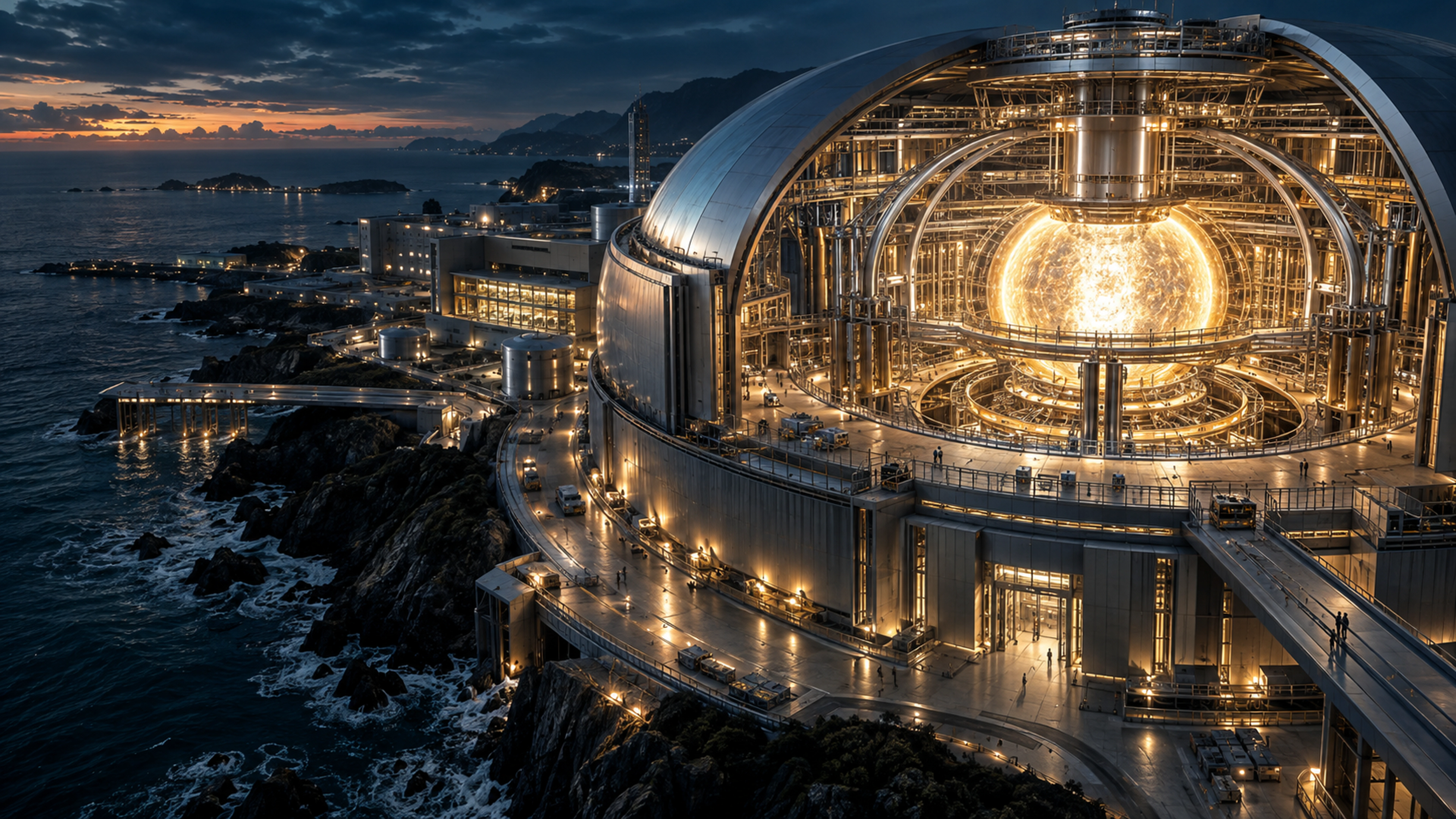
Original AI generated concept imagery and real time interactive artwork. The orbital structures and energy core are speculative visual interpretations.

Research inspiration: magnetic fusion, space based solar power, enhanced geothermal and long duration storage. Technology maturity varies across these fields.

Advanced Energy ↗Future Energy Applications ↗Generation in context ↗