05Research directions
From adaptable factories to connected production records.
Explore the focus areasSomething went wrong.
Physical and digital infrastructure
Infrastructure is often most noticeable when a service stops working and daily routines are interrupted. Exploring the technology behind these systems helps explain how places stay connected and where better information could improve their operation.
Explore the futureWater networks, transport routes and communications systems serve different purposes, but each depends on equipment that must keep working beyond its installation. Their performance also depends on the skills and resources of the people responsible for maintaining them.
Explore the architecture05Research directions
From adaptable factories to connected production records.
Explore the focus areas01Operating question
Begin a digital twin with one defined machine or production line problem.
Digital Twins03Review steps
Verify the signal, decide on action and record the result.
Industrial AIEVMSI Infrastructure / Technology and research
Water networks, transport routes and communications systems serve different purposes, but each depends on equipment that must keep working beyond its installation. Their performance also depends on the skills and resources of the people responsible for maintaining them.
EVMSI explores how physical infrastructure connects with digital information, including the tools used to understand complex operations. The aim is to explain what changes in practice when a system becomes more connected, rather than treating connectivity as an achievement by itself.
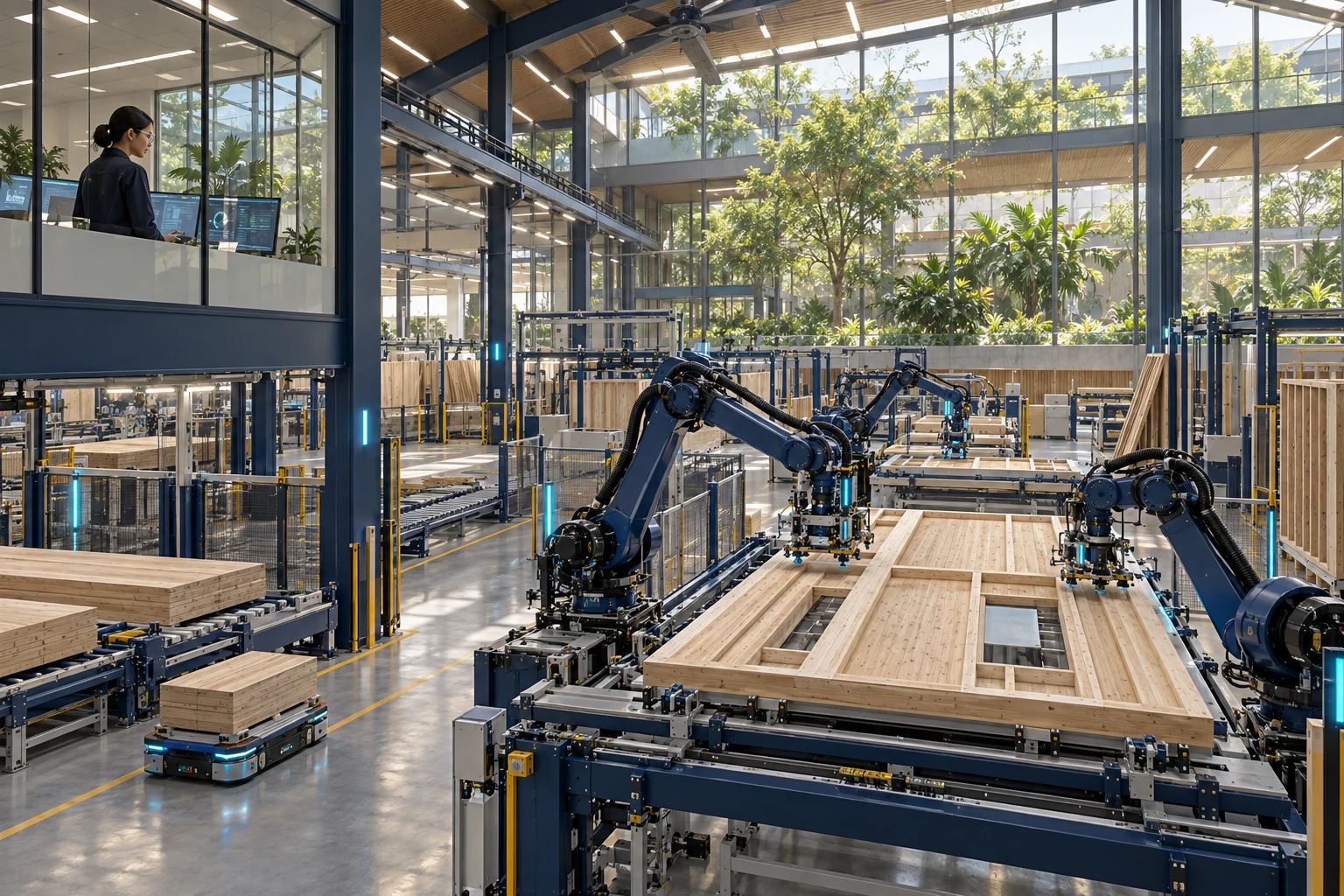
02 / Inside the system
A visual exploration of technology
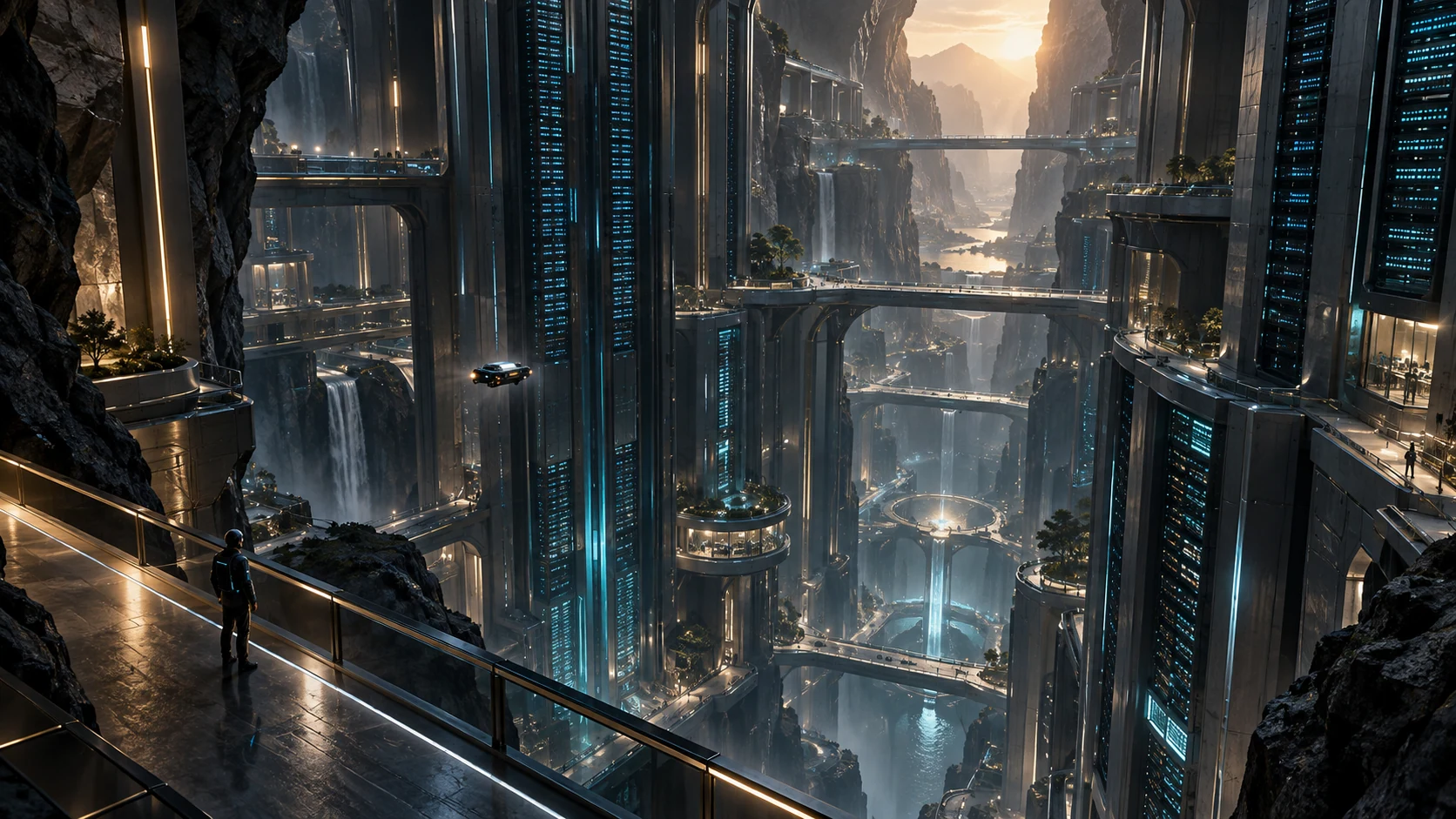
Different networks depend on different kinds of information
A water network needs information about supply and demand, while a transport system needs to understand how people and goods move. Electricity grids and fibre networks introduce other questions about capacity and the quality of service.
Sensors and digital models can make aspects of these systems easier to examine, provided the information is reliable and relevant. An instrument that records a problem is only part of the solution if the operator cannot act on what it finds.

Reliability depends on what happens after installation
New equipment can bring additional capability while also creating maintenance and training requirements that continue throughout its useful life. Compatibility with existing systems matters because essential services cannot always be replaced in a single step.
Operating costs and contractual responsibilities help explain who keeps a system working when conditions change. A public commitment or a long agreement does not remove these practical questions, nor does it establish that a particular asset offers predictable financial returns.

Digital models can help people understand physical operations
NIST describes digital twins as synchronised virtual models that can help represent and analyse manufacturing operations. A useful model depends on the physical system and the quality of the data connecting them.
This is different from an attractive visualisation that has no dependable relationship with what is happening on the ground. As cities and digital services grow, understanding capacity and testing possible changes can become as important as adding new equipment.
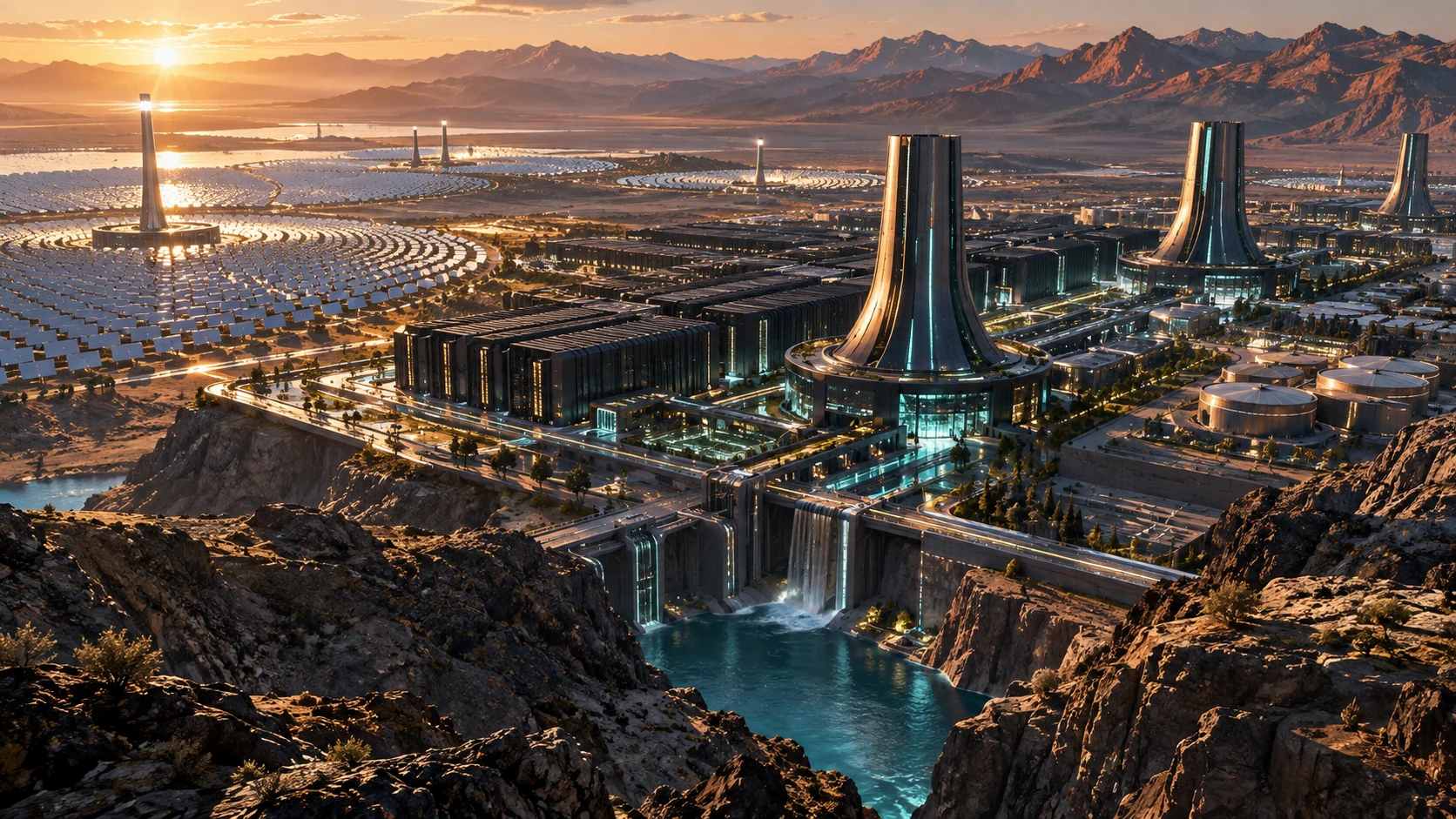
Local conditions shape what a connected system can achieve
The same technology can meet different constraints when it moves between cities or regions. Existing networks, available skills and maintenance arrangements all influence whether a system can deliver its intended service.
Smart city initiatives across Asia and the Pacific provide subjects for learning rather than a single model that every place should copy. An informative example explains the local problem and the conditions needed for the approach to work elsewhere.

Equipment, people and dependable services
Water networks, transport routes and communications systems serve different purposes, but each depends on equipment that must keep working beyond its installation. Their performance also depends on the skills and resources of the people responsible for maintaining them.
EVMSI explores how physical infrastructure connects with digital information, including the tools used to understand complex operations. The aim is to explain what changes in practice when a system becomes more connected, rather than treating connectivity as an achievement by itself.
These visual concepts help explain connected systems and their practical operating questions.
Our research horizon extends from the infrastructure the world needs now to the architectures it may need next.
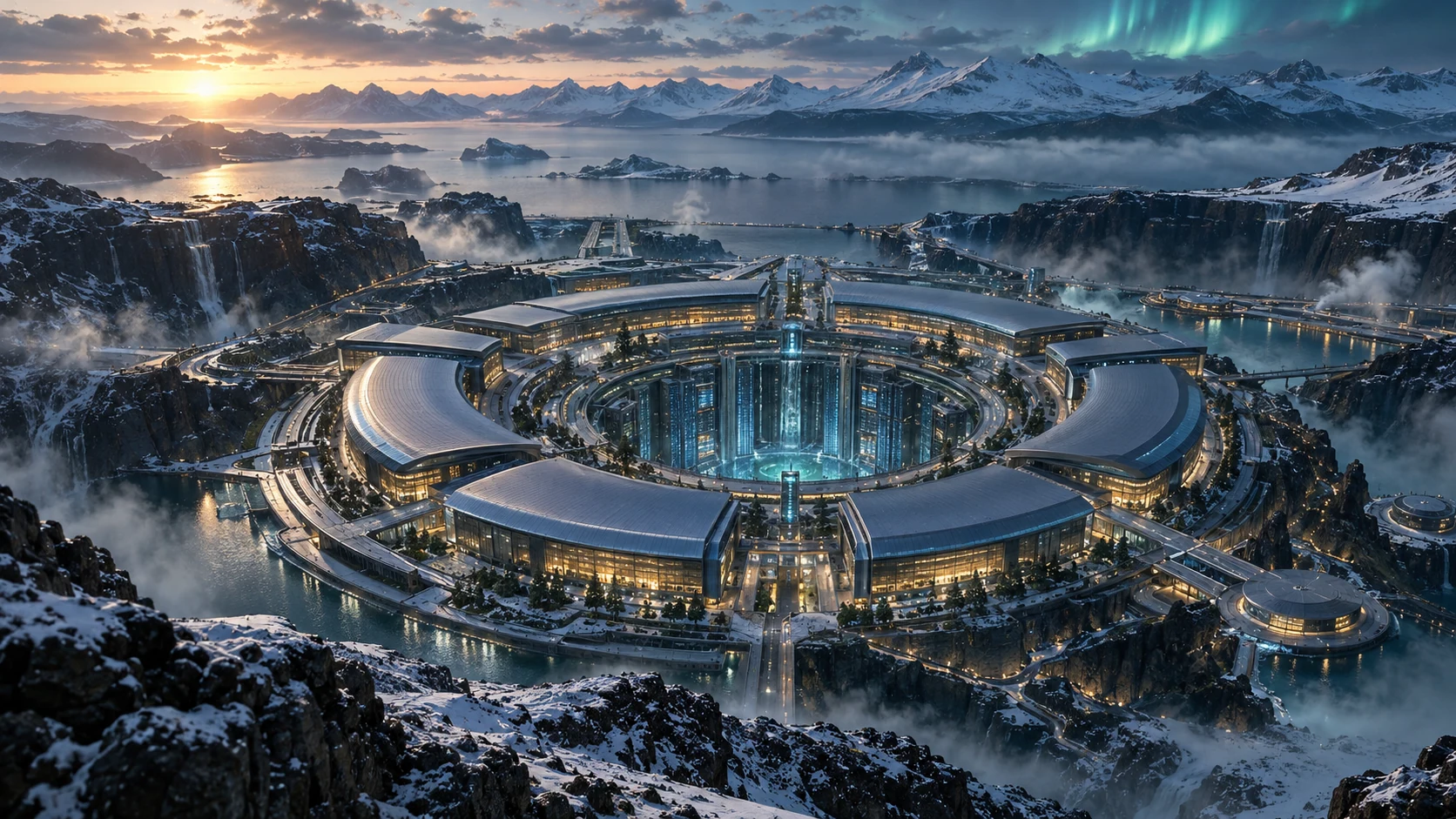
01 / Factory research
Explore how a production line responds to a different product, a smaller order or a change in material flow.
Explore this horizon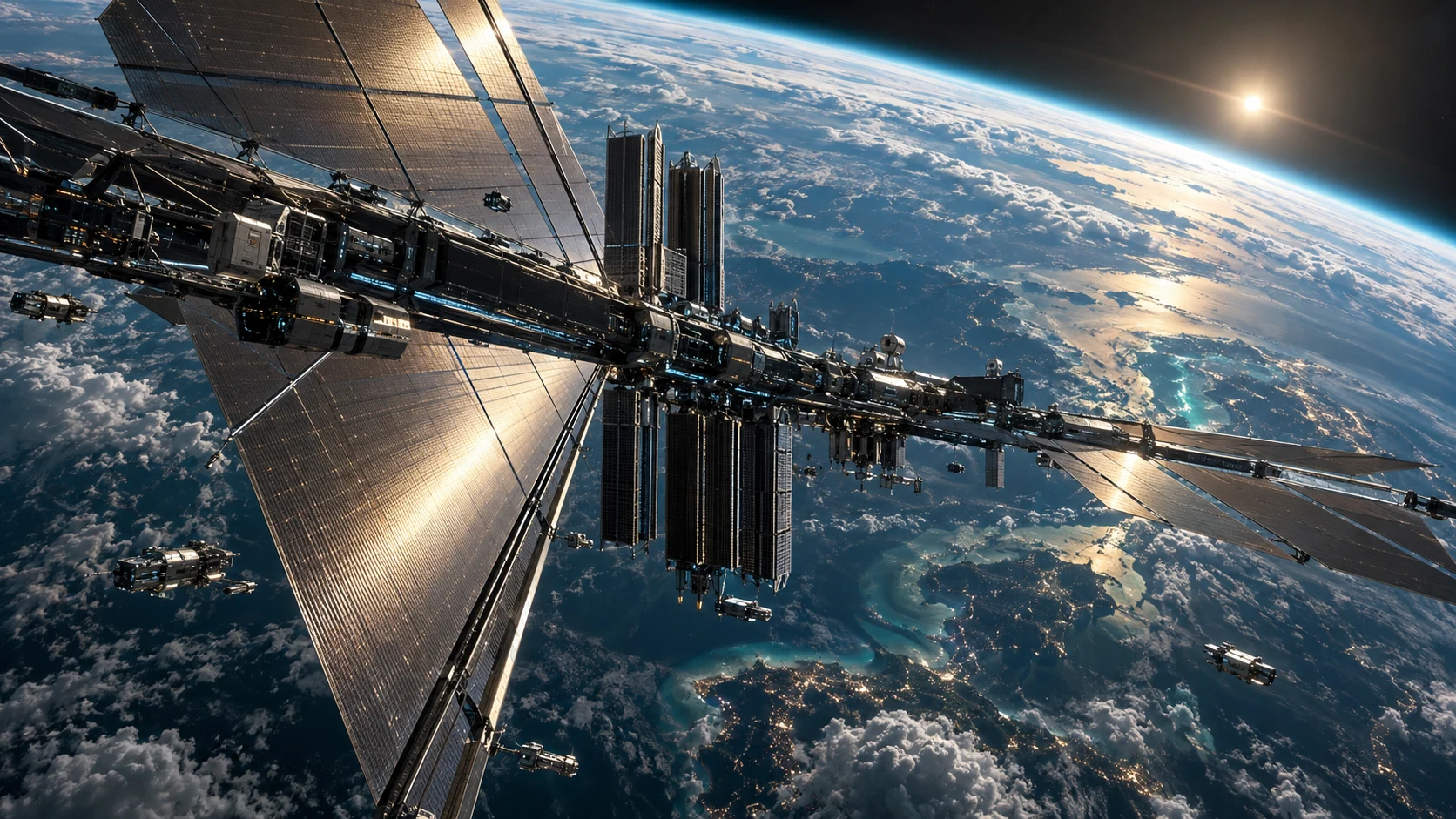
02 / Connected information
Connect a machine signal to the person who can inspect it, record a decision and check the result.
Explore this horizon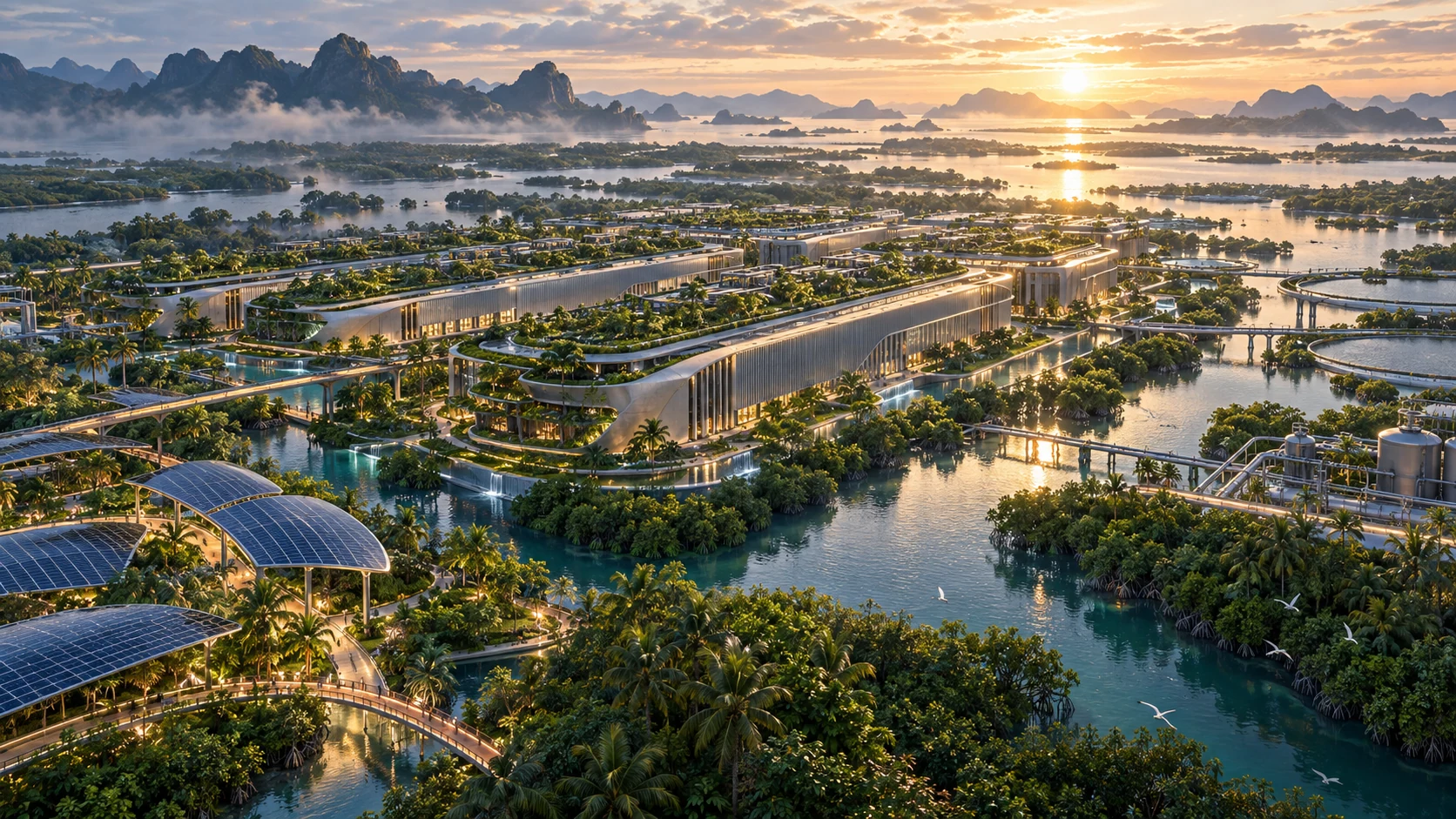
03 / Production continuity
Study how a design change reaches purchasing, production and inspection before work continues.
Explore this horizonEVMSI explores how physical infrastructure connects with digital information, including the tools used to understand complex operations. The aim is to explain what changes in practice when a system becomes more connected, rather than treating connectivity as an achievement by itself.
Start with material flows, order volumes and staff tasks before choosing equipment or software.
Compare the effect of a proposed change on machinery, people, materials, quality and maintenance.
Keep measured data distinct from simulation results and record the person responsible for each decision.
A prototype needs to answer a specific operating question. If it cannot explain its signals or fit the work on site, the approach needs revision.
Research direction
Factories, digital twins, automation, industrial AI and connected production systems.
Connected research interests
01
Explore real assets to see how the use and condition of buildings and other physical spaces influence what new technology can achieve.
Research informs our perspective; it does not imply a partnership with the cited organisations. Artwork depicts speculative infrastructure concepts.
8K export enlarged from AI generated source artwork.